


Types of car accident claims: Your guide to Colorado options
TL;DR:
- Colorado operates under an at-fault system, requiring injuries to be claimed against the responsible driver’s insurance.
- Multiple claim types exist, including bodily injury, property damage, MedPay, and uninsured/underinsured motorist claims.
- Proper documentation, timely filing, and understanding insurance limits are key to maximizing compensation.
After a car accident in Colorado, most people are already overwhelmed. You’re dealing with pain, vehicle damage, missed work, and a flood of calls from insurance adjusters who don’t have your best interests at heart. Then comes a question that can quietly shape everything: what type of claim should you file? Get it right and you protect your recovery. Get it wrong and you may leave thousands of dollars on the table or miss critical deadlines entirely. This guide walks you through every major claim type available to Colorado accident victims, explains how the state’s legal system shapes your options, and helps you figure out which path fits your situation. No legal jargon. No guesswork.
Table of Contents
- How Colorado car accident claims work
- Bodily injury claims: Seek compensation for physical harm
- Property damage claims: Covering vehicle and personal losses
- Other claim types: MedPay, uninsured/underinsured, and special situations
- Comparing your options: Which type of claim fits your situation?
- Our take: What most Colorado accident victims overlook about claims
- Need help deciding your next steps after a Colorado car accident?
- Frequently asked questions
Key Takeaways
| Point | Details |
|---|---|
| Colorado is at-fault | Accident victims generally file claims with the liable driver’s insurer. |
| Know your claim options | You can make bodily injury, property damage, MedPay, or uninsured motorist claims. |
| Documentation matters | Accurate records and timely action make a big difference in claim success. |
| Legal help can add value | Speaking with a Colorado attorney helps maximize your compensation. |
How Colorado car accident claims work
Before you can choose the right claim, you need to understand the foundation Colorado law is built on. The state operates under an at-fault system, which means the driver who caused the crash is legally responsible for the damages. Colorado repealed no-fault laws in 2003, so injured victims pursue compensation through the at-fault driver’s liability insurance rather than their own policy first.
This matters because it directly shapes who you file a claim against, what you can recover, and how long the process takes. In a no-fault state, you’d typically go to your own insurer first regardless of who caused the crash. In Colorado, fault is front and center from day one.
What liability insurance actually covers
When the other driver is at fault, their liability insurance is supposed to pay for your losses. That includes medical expenses, lost wages, pain and suffering, and property damage. But liability coverage has limits, and those limits are often lower than people expect.
Colorado law under C.R.S. §10-4-620 sets the following minimum insurance requirements:
| Coverage type | Minimum required |
|---|---|
| Bodily injury per person | $25,000 |
| Bodily injury per accident | $50,000 |
| Property damage | $15,000 |
These are minimums, not guarantees. Many drivers carry only the bare minimum, which can fall far short of covering serious injuries or significant vehicle damage.
Where MedPay fits in
Medical payments coverage, known as MedPay, is optional in Colorado but widely used. It pays for your medical bills regardless of who caused the accident. That means faster access to treatment money while the fault investigation plays out. It covers you, your passengers, and even pedestrians hit by your vehicle.
Here’s what MedPay typically covers:
- Emergency room visits and ambulance fees
- Hospital stays and surgical costs
- Follow-up doctor appointments
- Dental treatment from accident injuries
- Rehabilitation and physical therapy
MedPay doesn’t cover lost wages or pain and suffering. It’s a medical-only tool. But for covering immediate costs while a liability claim is pending, it’s genuinely valuable.
Pro Tip: Before you file any claim, pull out your own insurance policy and read what coverages you actually have. Many Colorado drivers don’t realize they have MedPay or underinsured motorist coverage until after an accident. Knowing your own policy is the first step to maximizing your recovery. You can also review a legal checklist for Colorado accidents to make sure you’re not missing any early steps.
Bodily injury claims: Seek compensation for physical harm
Bodily injury claims are the most common type filed after a Colorado car accident. When another driver’s negligence causes you physical harm, you have the right to seek compensation from their liability insurance. Because Colorado is an at-fault state, that claim goes directly against the at-fault driver’s policy.
What injuries qualify
The range of qualifying injuries is broad. You don’t need to be hospitalized to have a valid bodily injury claim. Common injuries that support these claims include:
- Broken bones and fractures
- Traumatic brain injuries and concussions
- Soft-tissue damage such as whiplash, sprains, and muscle tears
- Spinal injuries and herniated discs
- Internal injuries and organ damage
- Scarring and disfigurement
- Psychological trauma tied to the accident
Even injuries that seem minor at first, like neck stiffness or headaches, can develop into serious conditions. That’s why getting a medical evaluation immediately after a crash is critical, even if you feel okay.
What you can recover
A bodily injury claim can compensate you for both economic and non-economic losses. Economic damages are the concrete financial losses: medical bills, future treatment costs, lost wages, and reduced earning capacity. Non-economic damages cover the harder-to-quantify harm: pain and suffering, emotional distress, and loss of enjoyment of life.
There are strong reasons to file an injury claim even when the injuries seem manageable at first. Delayed symptoms are common, and once you settle, you typically can’t reopen the claim.
How to support your claim
The strength of a bodily injury claim depends almost entirely on documentation. Here’s what builds a solid case:
- Seek medical treatment right away and keep every record
- Follow your doctor’s treatment plan without gaps
- Document your symptoms in a daily journal
- Preserve photos of injuries at every stage of healing
- Keep records of all expenses tied to the accident
- Collect witness statements and the police report
Looking at real Colorado injury claim examples can give you a clearer sense of what outcomes are realistic for your type of injury.
Pro Tip: Gaps in medical treatment are one of the biggest weapons insurance adjusters use to reduce your payout. If you stop going to the doctor, insurers argue your injuries weren’t that serious. Consistent treatment isn’t just good for your health. It’s essential for your claim.
Property damage claims: Covering vehicle and personal losses
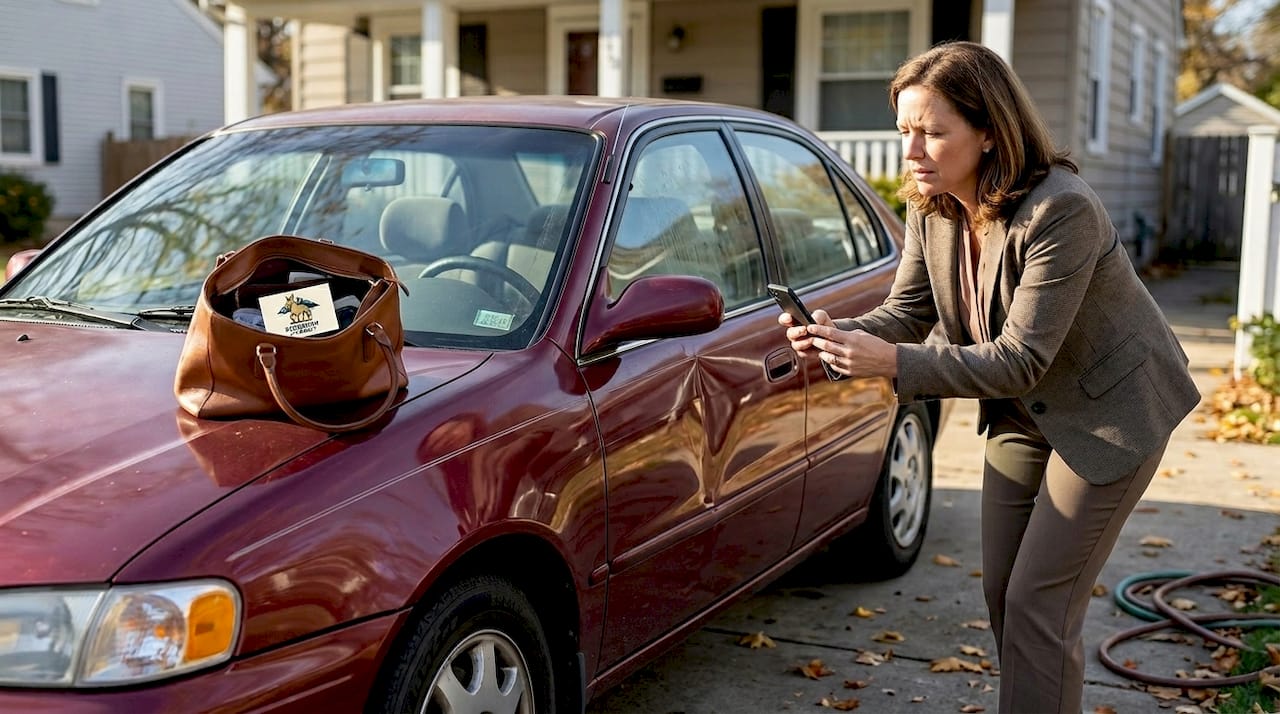
A bodily injury claim addresses what happened to your body. A property damage claim addresses what happened to your car and belongings. These are separate claims, and both matter.
What property damage claims cover
Property damage claims can compensate you for:
- Repair costs for your vehicle
- The fair market value of your car if it’s totaled
- Rental car expenses while your vehicle is being repaired
- Personal property damaged in the crash, such as electronics, car seats, or eyeglasses
- Diminished value of your vehicle after repairs
That last point is one most people miss. Even after a car is repaired, it’s worth less on the market because of its accident history. In Colorado, you can pursue a diminished value claim against the at-fault driver’s insurer.
The $15,000 minimum and why it matters
Colorado law requires at-fault drivers to carry at least $15,000 in property damage coverage per accident. For a newer or higher-value vehicle, that amount may not come close to covering your actual losses. If the at-fault driver only carries the minimum, you could be left with a significant gap.
Statistic to know: Colorado’s $15,000 property damage minimum has not kept pace with rising vehicle values. The average new car transaction price in the U.S. now exceeds $48,000, meaning a total loss claim can easily outpace the other driver’s coverage.
How to file a property damage claim
The process is more straightforward than a bodily injury claim, but it still requires careful steps:
- Report the accident to both insurers promptly
- Get independent repair estimates, not just the insurer’s preferred shop
- Document all damaged property with photos and receipts
- Request a written explanation if the insurer disputes your vehicle’s value
- Keep records of rental car costs and transportation expenses
Using a step-by-step accident checklist right after the crash helps preserve the evidence you’ll need for both property and injury claims.
When property damage disputes arise
Insurers sometimes undervalue totaled vehicles or dispute whether damage was caused by the accident. If that happens, you have options. You can negotiate with supporting documentation, hire an independent appraiser, or involve an attorney. Don’t accept the first offer if it doesn’t reflect your actual loss.
Other claim types: MedPay, uninsured/underinsured, and special situations
Beyond the two primary claim types, Colorado accident victims often need to pursue additional coverage options. These claims are frequently overlooked, but they can be the difference between full recovery and a serious financial shortfall.
MedPay claims
As mentioned earlier, MedPay is optional coverage that pays medical bills regardless of fault. It’s particularly useful in the early weeks after a crash when you need treatment but the liability claim is still being investigated. You file a MedPay claim with your own insurer, and it pays out quickly without a fault determination.
Uninsured and underinsured motorist claims
Colorado has a meaningful number of uninsured drivers on the road. If the at-fault driver has no insurance, or if their policy limits are too low to cover your damages, your own uninsured motorist (UM) or underinsured motorist (UIM) coverage steps in.
UM coverage applies when the at-fault driver has no insurance at all. UIM coverage applies when they have insurance, but the limits aren’t enough. Both are optional in Colorado, but insurers are required to offer them. If you declined them in writing, you may not have this protection.
Coverage comparison
| Coverage type | Who pays | Fault required | What it covers |
|---|---|---|---|
| Liability (BI) | At-fault driver’s insurer | Yes | Medical bills, lost wages, pain and suffering |
| MedPay | Your own insurer | No | Medical bills only |
| UM/UIM | Your own insurer | Yes (other driver) | Medical bills, lost wages, pain and suffering |
| Collision | Your own insurer | No | Vehicle repairs |
The insurance minimums under Colorado law make UM/UIM coverage especially important, since many drivers carry only the bare minimum.
Steps to file MedPay and UM/UIM claims
- Notify your own insurer of the accident as soon as possible
- Confirm whether you have MedPay and/or UM/UIM coverage on your policy
- Submit medical records and bills to support your MedPay claim
- For UM/UIM, document the at-fault driver’s insurance status and limits
- Provide evidence of your total damages to support the UIM gap claim
- Consult an attorney if your insurer disputes the claim or delays payment
Understanding the injury lawsuit steps in Colorado helps you know what to expect if any of these claims escalate to litigation.
Comparing your options: Which type of claim fits your situation?
Now that you understand each claim type, the real question is which one applies to your situation, and in many cases, the answer is more than one.
Side-by-side comparison
| Claim type | Best for | Damages covered | Typical timeline | Key limitation |
|---|---|---|---|---|
| Bodily injury (liability) | Injuries caused by another driver | Medical, lost wages, pain and suffering | Months to years | Capped by at-fault driver’s policy limits |
| Property damage | Vehicle and personal property losses | Repairs, total loss, diminished value | Weeks to months | $15,000 minimum may be inadequate |
| MedPay | Immediate medical cost coverage | Medical bills only | Days to weeks | No lost wages or pain and suffering |
| UM/UIM | Uninsured or underinsured at-fault driver | Medical, lost wages, pain and suffering | Months | Only available if you purchased coverage |
Common pitfalls to avoid
Even with the right claim type, mistakes can reduce your recovery significantly:
- Accepting a quick settlement before your injuries are fully diagnosed
- Missing Colorado’s three-year statute of limitations for personal injury claims
- Failing to report the accident to your own insurer promptly
- Not pursuing UM/UIM when the at-fault driver is underinsured
- Giving recorded statements to the other driver’s insurer without legal advice
Because Colorado is an at-fault state, the burden falls on you to build and present your case. Insurance companies are experienced at minimizing payouts, and they start working against you the moment a claim is filed.
“Choosing the right claim type is important, but how you build and present that claim matters just as much. The strongest cases combine the right legal theory with thorough documentation, consistent medical treatment, and a clear picture of how the accident changed the victim’s life.”
Reviewing personal injury outcomes in Colorado can help you calibrate your expectations and understand what factors drive higher settlements.
Our take: What most Colorado accident victims overlook about claims
Here’s something we see constantly: people spend enormous energy trying to figure out which claim type to file, and almost no energy on the things that actually determine whether they win or lose.
MedPay and UM/UIM coverage are chronically underused. Victims either don’t know they have them or assume they’re complicated to access. In reality, MedPay can get you into treatment within days, and UIM coverage can be the only meaningful source of compensation when the at-fault driver is minimally insured. These aren’t backup options. They’re often the primary path to full recovery.
The other thing we’ve seen derail otherwise strong claims is small documentation gaps. A two-week break in medical treatment. A missing photo. A phone call with an adjuster where the victim said something that got recorded and used against them. These small moments carry outsized consequences.
Here’s the contrarian truth: the claim type you choose matters less than the discipline and persistence you bring to building your case. A well-documented bodily injury claim against a minimally insured driver, combined with a properly filed UIM claim, will almost always outperform a poorly documented claim against a fully insured driver.
Start protecting your rights from the moment the crash happens. That’s where cases are won or lost.
Need help deciding your next steps after a Colorado car accident?
Understanding claim types is a strong first move. But applying that knowledge to your specific situation, with the right timing and documentation, is where real results come from. Every Colorado accident is different, and the path that works for someone else may not be the right one for you.
At Malnar Injury Law, we’ve settled hundreds of injury cases and recovered millions of dollars for Colorado accident victims. Attorney Ryan Malnar spent years as a federal claims adjuster before becoming a personal injury attorney, which means we know exactly how insurance companies evaluate and undervalue claims.
Start with our car accident legal checklist to protect your claim from day one. When you’re ready to understand why to pursue your claim, we have the resources to guide you. Or simply speak to an injury attorney at no cost. We don’t let go once we take your case.
Frequently asked questions
What is the difference between bodily injury and property damage claims in Colorado?
Bodily injury claims cover physical harm to people, including medical bills, lost wages, and pain and suffering, while property damage claims pay for vehicle repairs and personal property losses. Both are filed against the at-fault driver’s liability insurance in Colorado’s fault-based system.
Why does Colorado use an at-fault system instead of no-fault for car accidents?
Colorado repealed its no-fault laws in 2003, shifting to a system where injured drivers seek compensation directly from the at-fault party’s insurer rather than their own policy first.
Is MedPay coverage required after a Colorado car crash?
MedPay is optional in Colorado, but it provides fast access to medical bill payments regardless of fault, making it a valuable tool while a liability claim is still being investigated.
What do I do if the other driver doesn’t have enough insurance?
You may file an underinsured motorist claim through your own policy if the at-fault driver’s coverage limits fall short of covering your total damages, provided you purchased UM/UIM coverage on your own policy.