


Top personal injury case examples and outcomes in Colorado
TL;DR:
- A strong personal injury case in Colorado requires evidence of duty, breach, causation, and damages.
- Outcome success depends on documentation, legal strategy, and proving severity, often resulting in large verdicts or settlements.
- Prompt medical attention, thorough record-keeping, and early legal assistance are crucial for maximizing compensation.
After a car accident in Colorado, one of the first questions you’ll ask is whether your situation qualifies as a real personal injury case. The honest answer: it depends on the details. Knowing what successful cases actually look like, what evidence they relied on, and what damages were recovered can help you quickly assess where you stand. Colorado courts have seen outcomes ranging from modest settlements to a Colorado appeals court affirming $2.6M in economic damages for a single car crash victim. That kind of result doesn’t happen by accident. It happens because of preparation, persistence, and knowing exactly how the legal process works from start to finish.
Table of Contents
- How to know if you have a personal injury case in Colorado
- Common types of personal injury cases in Colorado
- Real case examples and what made them successful
- Comparison of case outcomes: What really matters?
- What most people misunderstand about personal injury cases in Colorado
- Get expert help for your Colorado injury case
- Frequently asked questions
Key Takeaways
| Point | Details |
|---|---|
| Strong evidence is essential | Documented proof like medical records and police reports makes the biggest difference in personal injury case outcomes. |
| Case type impacts damages | The type of injury—such as car accident vs. slip and fall—determines potential awards and what must be proven. |
| Legal deadlines matter | Missing the statute of limitations can prevent recovery, so act quickly after a Colorado accident. |
| Not all claims are equal | Even with similar facts, results can vary widely based on evidence, legal advocacy, and documentation. |
How to know if you have a personal injury case in Colorado
Every valid personal injury claim in Colorado must satisfy four core legal elements. Miss even one, and the case falls apart. Understanding these criteria is the first step toward knowing whether you have a claim worth pursuing.
The four elements are:
- Duty of care: The other party had a legal obligation to act reasonably. Drivers owe this duty to everyone on the road.
- Breach: They failed to meet that obligation. Running a red light, speeding, or texting while driving all qualify.
- Causation: Their breach directly caused your injury. There must be a clear, provable link.
- Damages: You suffered real, measurable harm, whether physical, financial, or both.
For car accidents specifically, Colorado law requires that injuries meet a threshold of serious bodily harm before certain claims can move forward. Serious injuries typically include broken bones, permanent impairment, significant disfigurement, or injuries requiring surgery. Minor soft tissue injuries, while painful, often result in smaller settlements unless they lead to lasting complications.
Damages in Colorado personal injury cases fall into two categories. Economic damages cover things you can put a dollar amount on: medical bills, future treatment costs, lost wages, and reduced earning capacity. Non-economic damages cover pain and suffering, emotional distress, and loss of enjoyment of life. Colorado does cap non-economic damages in some cases, which is one reason why the key reasons to pursue a case matter so much when building your claim.
Colorado also follows a modified comparative negligence rule. This means that if you are found to be 50% or more at fault for the accident, you cannot recover any damages. If you are less than 50% at fault, your recovery is reduced by your percentage of fault. Insurance companies know this rule well and will use it aggressively to reduce what they owe you.
Understanding the injury lawsuit timeline in Colorado is also critical. The statute of limitations for most personal injury claims is two years, but for motor vehicle accidents it extends to three years from the date of the crash.
Pro Tip: See a doctor immediately after any accident, even if you feel fine. Insurance adjusters look for gaps in medical treatment as evidence that your injuries weren’t serious. Early, consistent documentation is one of the strongest tools in your case.
Common types of personal injury cases in Colorado
Not all personal injury cases are the same, and the type of case you have shapes everything from what evidence you need to how long the process takes. Here are the most common categories Colorado attorneys handle:
- Car accidents. These are by far the most frequent personal injury cases in Colorado. Injuries range from whiplash and broken ribs to traumatic brain injuries and spinal damage. Damages can be substantial. A Colorado appeals court recently affirmed a $2.6M economic damages award for a car crash victim, demonstrating what’s possible when evidence is strong and legal representation is persistent.
- Slip and fall (premises liability). Property owners in Colorado have a legal duty to keep their premises reasonably safe. To succeed in a slip and fall case, you need to prove the owner knew or should have known about the hazard and failed to fix it. These cases often turn on surveillance footage, maintenance logs, and witness testimony.
- Medical malpractice. These cases face higher legal hurdles in Colorado. You must file a certificate of review from a qualified medical expert just to get started. Common scenarios include surgical errors, misdiagnosis, and medication mistakes. Timelines are longer and costs are higher, but so are potential recoveries.
- Dog bites and animal attacks. Colorado follows a strict liability rule for dog bites. This means the owner is liable even if the dog has never bitten anyone before. You don’t need to prove the owner was negligent. You simply need to show the bite occurred and you were not trespassing or provoking the animal.
- Product liability. If a defective product caused your injury, the manufacturer, distributor, or retailer may be liable. These cases often involve defective auto parts, dangerous medications, or faulty safety equipment.
The reasons to file a claim vary by case type, but the underlying principle stays the same: someone else’s negligence or wrongdoing caused you harm, and you deserve compensation.
Pro Tip: Just because you were hurt in an accident doesn’t automatically mean you have a winning case. Document not just your injuries but the exact cause. A photo of a wet floor with no warning sign is worth far more than a description of it.
Real case examples and what made them successful
Looking at actual Colorado personal injury outcomes reveals patterns that separate strong cases from weak ones. Evidence quality, legal preparation, and representation consistently drive results.
Car accident: $2.6M in economic damages
A Colorado appeals court recently upheld a significant verdict for a car crash victim. The affirmed $2.6M award was based entirely on economic damages, meaning the court found clear, documented proof of financial harm. What made this case succeed?
- Thorough medical documentation from the day of the accident forward
- Expert testimony establishing the long-term cost of care and lost earning capacity
- Clear liability with minimal comparative fault assigned to the victim
- Persistent legal representation that survived an appeal
- Admissible accident reconstruction evidence tying the crash directly to the injuries
“$2.6M affirmed on appeal for a car crash victim in Colorado, based on documented economic damages and strong legal advocacy.”
Slip and fall example
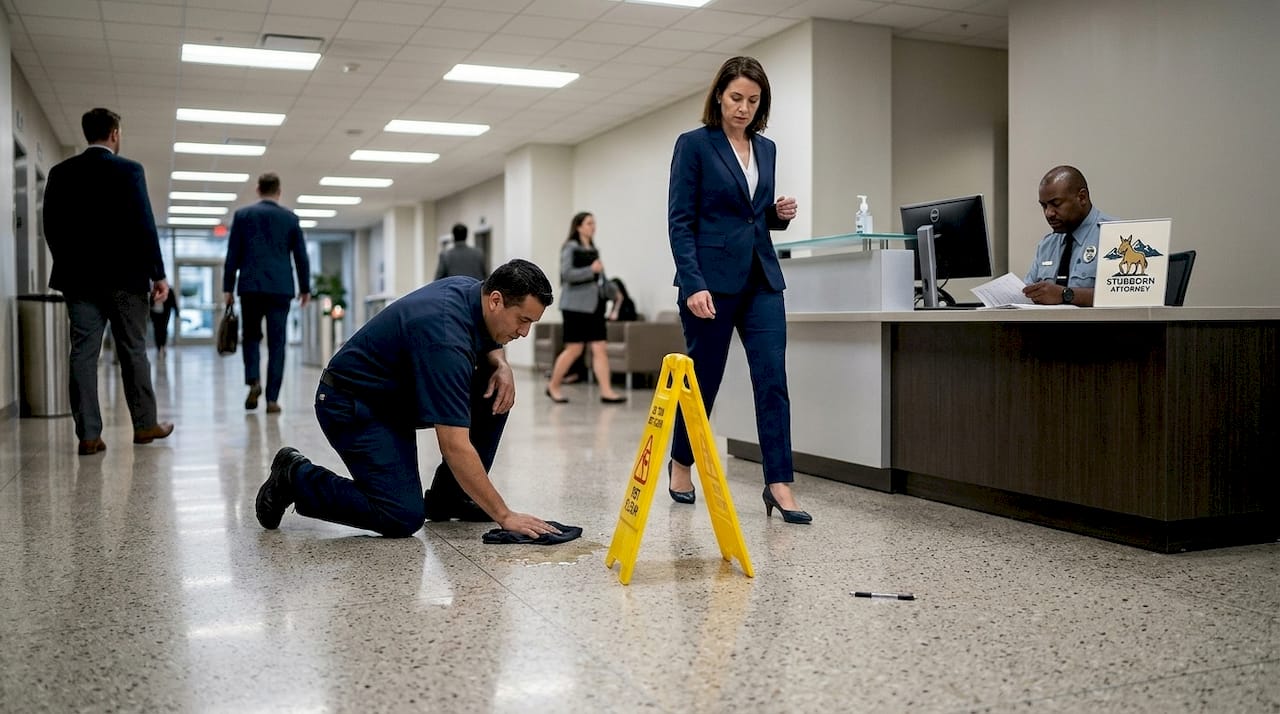
In premises liability cases, success often comes down to whether the property owner had notice of the hazard. Cases that win typically feature time-stamped surveillance footage showing the hazard existed long before the fall, combined with medical records that directly connect the fall to the injury. Recoveries in strong slip and fall cases in Colorado can range from tens of thousands to several hundred thousand dollars depending on injury severity.
Medical malpractice example
Medical malpractice cases that succeed in Colorado almost always involve a clear deviation from the accepted standard of care, supported by an expert witness in the same specialty. Without that expert, the case typically doesn’t move forward. Settlements in surgical error cases can reach into the millions when permanent disability is involved.
The difference between a settlement and a trial verdict matters too. Settlements are faster and more certain, but they often come in lower than what a jury might award. Cases that go to trial, like the car crash case above, can produce larger results, especially when liability is clear and damages are well-documented. Understanding the full injury case process helps you make that decision with confidence.
Comparison of case outcomes: What really matters?
Not all personal injury cases produce the same results, even when the injuries seem similar. The type of case, quality of evidence, and legal strategy all play a role. Here’s a side-by-side look at how different case types typically compare in Colorado:
| Case type | Common injuries | Typical damages range | Key success factor |
|---|---|---|---|
| Car accident | Fractures, TBI, spinal injury | $50K to $2.6M+ | Medical proof, liability clarity |
| Slip and fall | Broken bones, head injuries | $20K to $500K | Notice of hazard, documentation |
| Medical malpractice | Surgical errors, misdiagnosis | $100K to $2M+ | Expert witness, standard of care |
| Dog bite | Lacerations, nerve damage | $10K to $300K | Strict liability, medical records |
| Product liability | Burns, fractures, internal injury | $50K to $1M+ | Defect proof, causation chain |
The reasons these outcomes matter go beyond the dollar amounts. They show that preparation and legal strategy can be the deciding factor between a low settlement offer and a full recovery.
The affirmed $2.6M car crash verdict sits at the top of that range because every element aligned: clear fault, documented damages, expert support, and an attorney who didn’t quit when the case went to appeal. That’s not luck. That’s what happens when a case is built correctly from day one.
Two people can be injured in nearly identical car accidents and walk away with dramatically different outcomes. One has photos, medical records, and an attorney who files every motion on time. The other delays treatment, accepts a quick settlement, and later discovers the offer was a fraction of what they were owed. Evidence and timing are everything.
What most people misunderstand about personal injury cases in Colorado
Here’s something we see constantly: people believe that getting hurt automatically means getting paid. It doesn’t. Insurance companies are not in the business of writing large checks. They are in the business of minimizing payouts, and they are very good at it. I spent years as a claims adjudicator for the federal government before becoming an attorney, so I know exactly how adjusters evaluate your claim and where they look for reasons to reduce it.
The biggest mistake injured people make is underestimating how much documentation matters. Not just medical records, but everything: photos, written timelines, communication logs, employer statements about missed work. The true value of a claim is almost always higher than what an insurance company offers in the first round.
Another common misconception is that cases resolve quickly. Some do. But cases with serious injuries and large damages often take one to three years, especially if they go to trial or appeal. That timeline isn’t a failure. It’s what thorough preparation looks like in practice.
“Most high-value results come from meticulous documentation and an attorney who knows Colorado law, not just the facts of the accident.”
Seek legal help early. Keep every record. Don’t accept a settlement before you know the full extent of your injuries. Quick-fix solutions almost always benefit the insurance company, not you.
Get expert help for your Colorado injury case
If you’ve been injured in a car accident or any other incident in Colorado, the single most important step you can take right now is to get informed and act quickly. Evidence disappears. Deadlines pass. Insurance companies start building their defense the moment the accident happens.
At Malnar Injury Law, we’ve recovered millions for injured Coloradans and we know exactly how the other side thinks. Whether you’re trying to understand the reasons to get legal help or want a clear picture of the injury lawsuit process, we’re here to walk you through every step. We represent only injured victims, and we don’t back down. Contact a Colorado attorney at Malnar Injury Law today for a free case evaluation and find out what your claim is actually worth.
Frequently asked questions
What types of damages can I recover in a Colorado personal injury case?
You may recover economic damages like medical bills and lost wages, as well as non-economic damages for pain and suffering. Colorado courts have upheld significant awards, including a confirmed $2.6M economic recovery for a car crash victim.
How long do I have to file a personal injury claim in Colorado?
You generally have two years from the date of injury, but for car accidents involving motor vehicles, Colorado extends that deadline to three years from the date of the crash.
What evidence helps win a personal injury case?
Medical records, accident reports, photos of injuries or the scene, and witness statements are crucial. The stronger and more consistent your documentation, the harder it is for an insurance company to dispute your claim.
Are most Colorado personal injury cases settled or do they go to trial?
Most cases are settled out of court, but serious cases with large damages can go to trial and even appeal. A recent Colorado case resulted in a jury verdict upheld on appeal for $2.6M, showing that persistence through the full legal process can pay off significantly.