

The Role of Legal Consultation in Personal Injury Cases
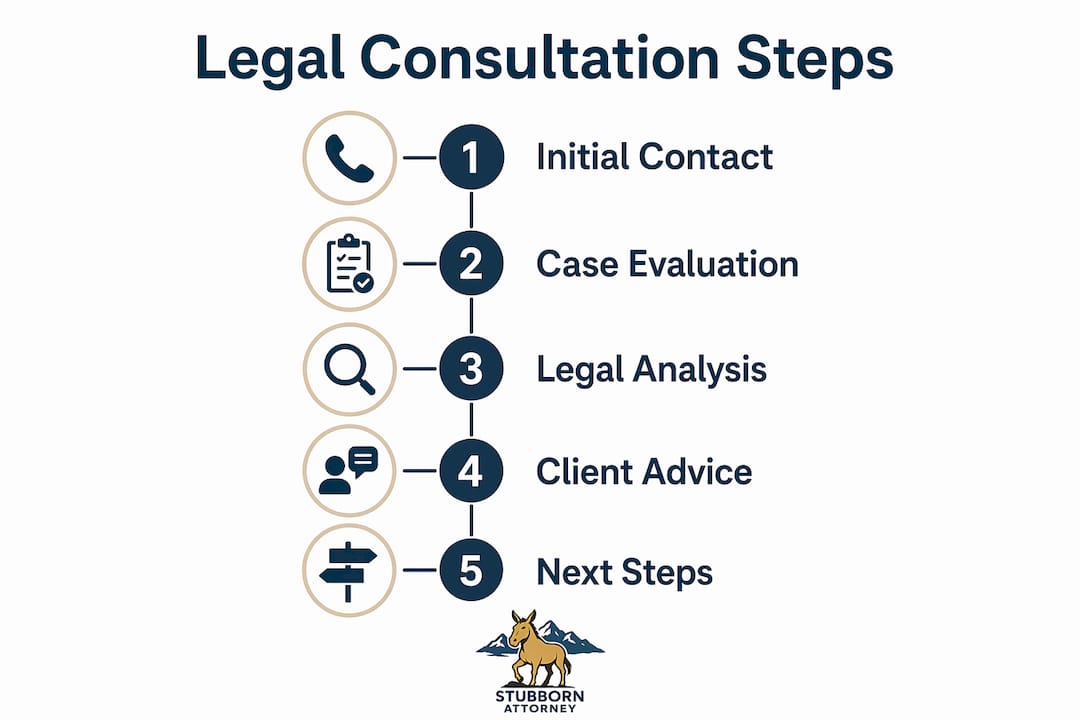
Legal consultation is defined as a confidential, structured meeting where an attorney applies the law to your specific facts and advises you on your legal options. The role of legal consultation in personal injury cases goes far beyond a simple question-and-answer session. It is the moment where real legal strategy begins, where deadlines get identified, and where you learn whether your case has merit before you commit to anything. Initial consultations typically last 30–60 minutes and are designed to determine whether an attorney-client relationship makes sense for both parties. Getting this step right can mean the difference between a well-prepared claim and a costly mistake you cannot undo.
What is the role of legal consultation in personal injury cases?
A legal consultation is not a sales pitch and not a formality. Attorneys use consultations to mentally process statutes, case law, and practical realities to assess whether legal options genuinely exist for your situation. That analytical work is what separates a real consultation from a casual conversation.

Legal advice vs. legal information
The distinction between legal advice and legal information is one of the most misunderstood concepts in personal injury law. Legal advice applies the law to your specific circumstances and creates the protected attorney-client relationship that makes reliable representation possible. Legal information, by contrast, is general knowledge that anyone can find online. It does not account for your facts, your jurisdiction, or your deadlines. Relying on legal information instead of legal advice is one of the most common ways injured people lose rights they did not know they had.
What an attorney actually does during a consultation
A consultation functions as an intense two-way interview. The attorney is not just listening politely. They are running your facts against Colorado statutes, relevant case law, and the practical realities of what insurance companies will argue. They are identifying the statute of limitations that applies to your claim, spotting gaps in your evidence, and weighing whether the potential recovery justifies the cost and time of litigation. You are also evaluating them. A good consultation tells you whether this attorney understands your situation and whether you trust them to represent you.

Consultation formats available to you
Consultations happen in three formats: in-person, phone, and video chat. Each format serves a different need. In-person meetings work best when you have physical documents, photographs, or medical records to share directly. Phone consultations work well for a first contact when you are still deciding whether to move forward. Video consultations offer a middle ground, allowing face-to-face communication without travel. The format matters less than the preparation you bring to it. Learn more about the typical consultation structure to know what to expect before you walk in.
Pro Tip: Write down your three most pressing questions before the consultation starts. Attorneys move through a lot of ground quickly, and you do not want to leave without answers to the things that matter most to you.
How does legal consultation help prevent costly mistakes?
Early legal consultation is the single most effective way to protect your rights after a personal injury. Consulting an attorney before taking critical actions prevents costly mistakes, protects evidence, and improves the chances of a positive outcome. That is not a general principle. It is a practical reality that plays out in personal injury cases every day across Colorado.
The statute of limitations problem
Colorado’s statute of limitations for most personal injury claims is three years from the date of injury. Miss that deadline and your case is gone, regardless of how strong it is. An attorney spots that clock immediately during a consultation. They also identify shorter deadlines that apply in specific situations, such as claims against government entities, which can carry notice requirements as short as 180 days. Most injured people have no idea these shorter windows exist until it is too late.
Evidence preservation and procedural traps
Evidence disappears fast. Surveillance footage gets overwritten. Witnesses move or forget details. Physical evidence gets repaired or discarded. An attorney who consults with you early can send preservation letters, advise you on what to document, and identify what evidence will matter most to your specific claim. They also catch procedural traps that non-lawyers walk into without realizing it, such as giving recorded statements to insurance adjusters before understanding what those statements can be used for.
Here is what early consultation protects you from:
- Missing filing deadlines that permanently bar your claim
- Giving harmful statements to insurance companies without knowing the consequences
- Settling too early for far less than your claim is worth
- Destroying or losing evidence that would have proven liability
- Misidentifying the correct defendant in multi-party accident cases
- Failing to document injuries in the medical record in ways that support your legal claim
Relying only on legal information risks missed deadlines and loss of rights. That risk is real, and it is avoidable. Understanding why attorneys fight insurance companies in Colorado gives you a clearer picture of what you are up against without legal guidance.
What are the key benefits of legal consultation beyond legal advice?
The benefits of legal consultation extend well past receiving legal advice. A well-conducted consultation shifts your entire mindset from damage control to prevention. That shift alone changes how you approach every decision that follows.
Setting realistic expectations from the start
Consultations are crucial for setting realistic expectations about timelines, costs, and outcomes. Attorneys are ethically bound to give you honest guidance without promising specific results. That ethical duty protects you. It means the attorney sitting across from you cannot tell you what you want to hear just to sign you as a client. They have to tell you what the law actually supports. That honesty, even when it is uncomfortable, saves you from months or years of emotional and financial strain chasing an outcome that was never realistic.
The value of negative advice
One of the most underappreciated outcomes of a good consultation is what attorneys call “negative advice.” A significant outcome of good consultations is advising clients when not to proceed with a lawsuit to prevent financial and emotional harm. If your potential recovery is $8,000 but litigation will cost $15,000 in attorney time and expert fees, a good attorney tells you that clearly. That conversation saves you years of stress and money. Knowing when not to litigate is as valuable as knowing when to fight.
The broader benefits of legal consultation include:
- Clarity on your legal position before you make any commitments
- Strategic options you did not know existed, including alternative dispute resolution
- Understanding of litigation costs relative to likely recovery
- Emotional grounding through honest, professional guidance
- A clear next step rather than uncertainty about what to do
Pro Tip: Ask the attorney directly: “What is the weakest part of my case?” A good attorney will answer honestly. That answer tells you more about the strength of your claim than any reassurance they could offer.
Understanding potential damages in your claim is one concrete area where consultation clarity pays off immediately.
How to prepare for a legal consultation to maximize its effectiveness
Preparation determines how much value you extract from a consultation. An attorney can only analyze the facts you give them. The more organized and complete your information, the more accurate and useful their advice will be.
Follow these steps before your consultation:
-
Write a chronological timeline of events. Written timelines help attorneys identify evidence gaps and missed deadlines far more effectively than verbal recall. Start from before the incident and include every relevant event, medical appointment, and communication with insurance companies. Dates matter. Sequence matters.
-
Gather your documents. Bring medical records, accident reports, photographs, insurance correspondence, pay stubs if you missed work, and any written communications related to the incident. Do not filter what you think is relevant. Let the attorney decide what matters.
-
List your questions in advance. Write down everything you want to understand before you leave. Common questions include: What is my case worth? How long will this take? What are my chances? What do I need to do right now?
-
Be completely honest. Clients must provide complete, transparent facts for an accurate legal assessment. Omitting unfavorable facts does not protect you. It misleads the attorney and produces advice based on an incomplete picture. If you were partially at fault, say so. If you had a prior injury to the same body part, disclose it. The attorney needs the full truth to give you accurate guidance.
-
Clarify your objectives. Know what outcome you are hoping for before you walk in. Are you focused on covering medical bills? Replacing lost income? Holding a negligent party accountable? Your objectives shape the legal strategy the attorney recommends.
-
Understand what the consultation does and does not guarantee. A consultation informs your next steps. It does not guarantee a specific result. The attorney’s job at this stage is to give you an honest assessment, not a promise. Going in with that understanding keeps the conversation productive and grounded.
The Colorado car accident legal checklist is a practical resource for organizing your facts before you meet with an attorney.
What I have learned from a decade of personal injury consultations
Most people come into a consultation hoping to be told their case is strong. I understand that. You have been hurt, you are worried about money, and you want reassurance. But the most valuable thing I can do for you in that first meeting is tell you the truth, even when it is not what you expected to hear.
The consultations that have mattered most in my career were not the ones where I confirmed what a client already believed. They were the ones where I caught a deadline three weeks out that the client had no idea existed. Or where I told someone their case was not worth pursuing and saved them two years of litigation stress for a recovery that would not have covered the costs. That is the real work of a consultation.
I have also seen what happens when people wait. They give recorded statements to adjusters. They accept early settlement offers. They miss filing windows. By the time they sit down with me, options that existed six months earlier are gone. Early consultation is not just helpful. It is often the thing that determines whether you have a viable case at all.
The clients who get the best outcomes are the ones who come in prepared, honest, and willing to hear a realistic assessment. They are not looking for someone to tell them what they want to hear. They want to know where they actually stand. That is exactly the kind of conversation I am built for.
— Ryan
Ready to understand where your personal injury case stands?
Stubbornattorney offers free case evaluations for personal injury clients across Colorado. Ryan Malnar brings over a decade of experience as both a personal injury attorney and a former federal claims adjudicator, which means he understands exactly how insurance companies evaluate your claim and where they look for weaknesses. Whether you were injured in a car accident, a slip and fall, or another incident, a consultation with Stubbornattorney gives you a clear picture of your legal position before you make any decisions. Review common personal injury case examples to see how cases like yours have been handled, or request your free case review in Colorado Springs today.
FAQ
What is the role of legal consultation in a personal injury case?
Legal consultation is the process where an attorney analyzes your specific facts, applies relevant law, and advises you on your legal options and risks. It is the foundation of any well-prepared personal injury claim.
How long does an initial legal consultation typically last?
Initial consultations typically last 30–60 minutes and cover case facts, legal options, and whether an attorney-client relationship is appropriate. Coming prepared with documents and a written timeline makes the most of that time.
When should you seek legal advice after a personal injury?
Seek legal advice as soon as possible after an injury, before giving any statements to insurance companies or accepting any settlement offers. Early consultation prevents costly mistakes and protects evidence that may otherwise disappear.
What is the difference between legal advice and legal information?
Legal advice applies the law to your specific situation and creates an attorney-client relationship. Legal information is general knowledge that does not account for your facts, jurisdiction, or deadlines, and relying on it alone puts your rights at risk.
Can a legal consultation result in advice not to file a lawsuit?
Yes. Attorneys are ethically bound to advise clients when litigation is not in their best interest, particularly when litigation costs would exceed likely recovery. That honest guidance is one of the most valuable outcomes a consultation can produce.