

Two Year Deadline: Attorney Tested Colorado Dog Bite Law Checklist
Yes, Colorado lets you bring a civil claim after a dog bite. Strict liability under C.R.S. § 13-21-124 applies only when the bite causes serious bodily injury or death, and it covers economic damages alone. Less severe injuries require a negligence claim, which can add pain and suffering to the mix. Either way, the clock starts now: Colorado gives you two years to file.
Table of Contents
- Colorado Dog Bite Law: Strict Liability vs. Negligence
- What Qualifies as Serious Bodily Injury Under Colorado Law?
- When Does Strict Liability Not Apply in Colorado?
- What Evidence Do You Need for a Dog Bite Claim?
- Damages, Fault, and the Two-Year Deadline
- Criminal Penalties and Public Health Requirements
- When Should You Contact a Dog Bite Lawyer in Colorado?
- Process and Steps for Filing a Civil Lawsuit for Dog Bites in Colorado
- How Are Pain and Suffering and Emotional Distress Calculated?
- How Does Homeowners Insurance Cover Dog Bite Claims?
- Can You Settle a Dog Bite Claim Through Mediation?
- How Should You Handle Insurance Adjusters After a Bite?
- What Victims Get Wrong, and a Short Checklist
- StubbornAttorney.com: Free Case Evaluations for Colorado Dog Bite Victims
- Sources
- FAQ
Colorado Dog Bite Law: Strict Liability vs. Negligence
Colorado runs two separate legal tracks for dog bite cases, and knowing which one applies to your injury changes everything about how the case gets built.
The first track is statutory strict liability. Under C.R.S. § 13-21-124, a dog owner is liable for economic damages when their dog causes serious bodily injury or death to someone lawfully on public property or lawfully on private property, including the owner’s own property. You do not have to prove the owner knew the dog was dangerous. You do not have to show a prior bite. The statute exists specifically because Colorado abandoned the old rule requiring proof that an owner “knew” their dog had violent tendencies before a bite would count.
The second track is common-law negligence, and it covers everything the statute does not. If the injury does not rise to the level of “serious bodily injury,” you have to prove the traditional elements: the owner owed a duty of care, breached that duty (failing to leash the dog, ignoring local leash laws, ignoring a known aggression history), and that breach caused your damages.
The practical differences show up fast:
- Strict liability claims skip the “did the owner know” question entirely.
- Negligence claims require evidence of the owner’s conduct, not just the injury.
- Damages available under each track are not the same, which the next sections cover in detail.
Your medical records often determine which path applies, FindLaw explains, so getting treated and documented early matters more than most victims realize.
What Qualifies as Serious Bodily Injury Under Colorado Law?
The statute doesn’t leave “serious bodily injury” open to guesswork. Colorado’s pattern jury instructions and case law point to specific markers: a substantial risk of death, serious permanent disfigurement, protracted loss or impairment of a body part or organ, broken bones, and second or third degree burns.
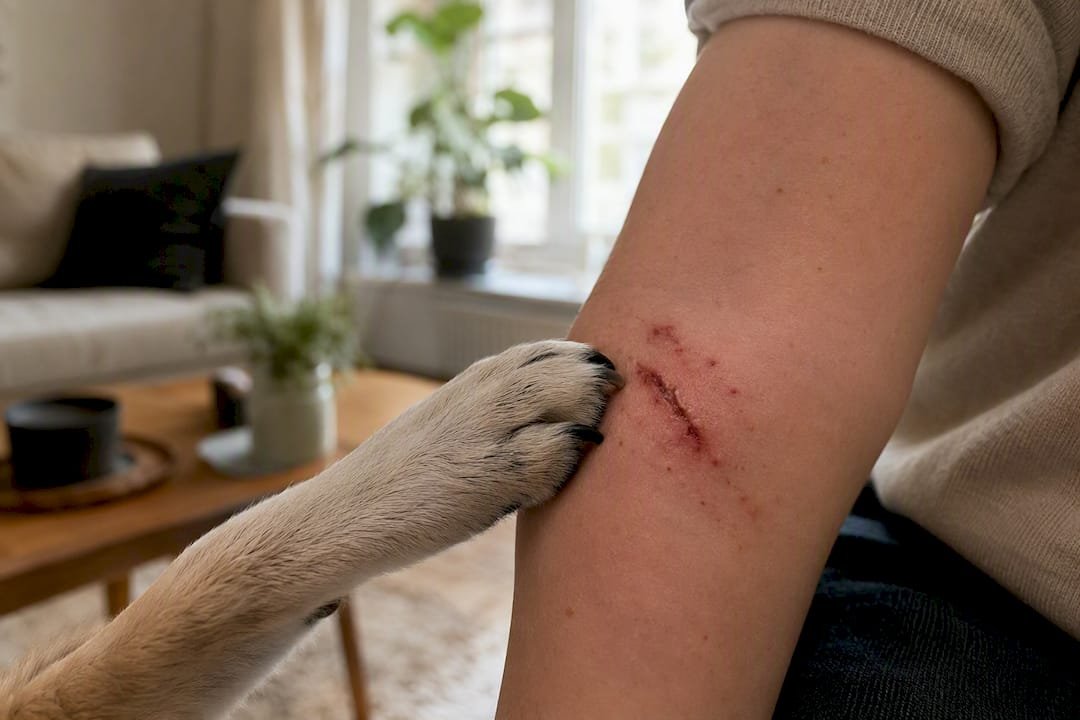
A puncture wound that needs stitches and heals cleanly usually falls short of that bar. A bite that severs a tendon, requires reconstructive surgery, or leaves permanent nerve damage almost always clears it. The gray zone sits in between, and it’s larger than most people expect.
Common borderline cases include:
- Facial bites in children, where scarring risk is high but not yet confirmed
- Hand and finger injuries with uncertain long-term function
- Deep lacerations that get infected and require follow-up procedures
Pro Tip: Ask your treating physician to document the injury in terms that match legal language, things like “risk of permanent scarring” or “loss of function,” not just clinical shorthand. That single request can shape which statute your case falls under.
Pattern jury instruction 13:3 lays out exactly what a jury must find before applying strict liability, and it’s worth reading if your case sits in that gray zone.
When Does Strict Liability Not Apply in Colorado?
Section 13-21-124 has built-in exclusions, and owners lean on them hard. If one applies and gets proved, it functions as a complete defense against the statutory claim, according to case law interpreted through Colorado’s jury instructions.
- Trespassing. If you were on the property unlawfully when bitten, the statute doesn’t apply.
- Posted warning signage. A visible “beware of dog” sign at the time of the bite can defeat the claim, provided the owner can show it was actually posted.
- Provocation. If the injured person provoked the dog, the exclusion applies, even unintentionally, like startling a sleeping dog.
- Professional exceptions. Veterinarians, groomers, trainers, and shelter or humane society employees bitten while performing their job duties are excluded.
- Working dogs. Police dogs and military dogs performing official duties fall outside the statute.
- Property owner’s own dog, off the property. The statute’s protections are tied to lawful presence on the property where the bite occurred.
Owners typically produce photos of posted signs, witness statements about provocation, or property records showing trespass to build these defenses. When an exclusion succeeds, your case doesn’t disappear. It often shifts into a negligence claim instead, which is why understanding these defenses early matters before you file anything.
What Evidence Do You Need for a Dog Bite Claim?
Evidence collected in the first 48 hours often decides the case. Medical guidance is consistent: clean the wound, seek treatment even for punctures that look minor, and document everything as you go.
Here’s the priority order:
- Get medical care immediately, and ask for detailed notes on wound depth, treatment, and prognosis.
- File a bite report with local animal control or public health. This is often legally required and triggers the mandatory 10-day quarantine on the dog.
- Photograph the wound, your torn or bloodied clothing, and the location where the bite happened.
- Collect witness names and phone numbers on the spot. Memories fade fast.
- Get the owner’s contact information and, if possible, proof of the dog’s rabies vaccination status.
- Preserve any surveillance or doorbell camera footage before it’s overwritten.
- Save texts, messages, or social media posts about the incident, and pull pay stubs if you missed work.
Pro Tip: If you’re pursuing a strict-liability claim, weight your evidence toward injury severity, medical records, specialist referrals, prognosis notes. If you’re building a negligence claim, weight it toward the owner’s conduct: prior complaints, leash law violations, or witness accounts of the dog’s history.
Damages, Fault, and the Two-Year Deadline
What you can recover depends entirely on which legal track your case falls under.
Strict liability claims under the statute are limited to economic damages only: medical bills, future medical costs, lost wages, and diminished earning capacity, according to Colorado dog bite practitioners. No pain and suffering, no emotional distress compensation, even for a serious injury.
Negligence claims open the door wider. If you prove the owner’s carelessness caused your injury, you can potentially recover non-economic damages like pain and suffering, on top of your economic losses.
A few other factors shape the final number:
- Colorado follows modified comparative negligence, meaning your award gets reduced by your percentage of fault, and you’re barred from recovery entirely if you’re found 50% or more at fault.
- The statute of limitations is two years from the date of the bite for most personal injury claims in Colorado.
- Insurance notification should happen fast. Waiting weeks to report a claim to a homeowner’s insurer can complicate the process later.
Wage-loss calculations get complicated when injuries keep you out of work for months. A wage and benefits estimator can give you a rough sense of what lost income adds up to, though an attorney will build the actual figure from your pay records.
Criminal Penalties and Public Health Requirements
A dog bite can trigger consequences well beyond your civil case. C.R.S. § 18-9-204.5 defines “dangerous dog” and creates criminal penalties for owners, ranging from a misdemeanor to a felony depending on injury severity and whether the owner has prior violations.
- Courts can order confinement, mandatory muzzling, or confiscation of the dog.
- Euthanasia orders are possible when a court finds the owner knew the dog was dangerous and it caused serious injury or death.
- Public health rules require the bite be reported to animal control or health authorities, triggering a mandatory 10-day quarantine to rule out rabies, per Colorado’s consolidated animal statutes.
These criminal and public-health processes run parallel to your civil claim, not instead of it. A conviction or dangerous-dog finding can actually strengthen your negligence case by establishing the owner’s knowledge of risk.
When Should You Contact a Dog Bite Lawyer in Colorado?
Some cases are simple enough to handle alone. Most aren’t, especially once an insurer starts pushing back or the injury’s severity is in question.
Contact a lawyer if:
- The injury is severe enough to plausibly qualify as “serious bodily injury”
- The owner or their insurer disputes what happened
- The insurance company denies coverage or offers a lowball settlement
- A statutory exclusion (signage, trespass, provocation) is being raised against you
- Evidence like surveillance footage needs to be preserved through a formal request before it’s deleted
A lawyer’s first job is triage: does this fit the statute, or does it need to be built as negligence? What’s the medical prognosis, and does it support long-term damages? Are there insurance policy limits that cap what’s realistically recoverable?
Most dog bite attorneys in Colorado work on contingency, meaning you pay nothing unless you recover. Ryan Malnar built his practice partly on experience as a former claims adjudicator for the federal government, which means he’s evaluated claims from the other side of the table before representing victims on this one. Bring photos, medical records, the bite report, and any owner or insurance correspondence to your first consultation.
Process and Steps for Filing a Civil Lawsuit for Dog Bites in Colorado
Filing a lawsuit isn’t the first move, it’s usually the last resort after settlement talks stall. But knowing the sequence helps you understand where your case stands.
It typically starts with a demand letter to the owner’s insurance carrier, outlining the injury, treatment, and damages sought. If the insurer denies the claim or offers an unreasonably low settlement, the next step is filing a complaint in the appropriate Colorado district or county court, depending on the amount in dispute.

Once filed, the case moves into discovery. Both sides exchange medical records, witness statements, and any evidence tied to the bite, including animal control reports and quarantine records. Depositions may follow, where the owner, witnesses, and sometimes treating physicians answer questions under oath.
Many cases settle during or shortly after discovery once both sides see the strength of the evidence. If not, the case proceeds toward trial, where a jury applies the pattern instructions covering either strict liability or negligence, depending on which theory you pursued.
Throughout this, the two-year statute of limitations governs when you must have your complaint filed, not when you must have settled. Missing that deadline typically bars the claim entirely, regardless of injury severity. Because Colorado’s civil procedure rules require specific formatting and service requirements for complaints, most victims retain counsel before this stage rather than after.
How Are Pain and Suffering and Emotional Distress Calculated?
Negligence claims open access to non-economic damages that the strict-liability statute simply doesn’t allow. But “pain and suffering” isn’t a fixed number, it’s calculated, and the methods vary.
Insurers and attorneys often use one of two approaches. The multiplier method takes your total economic damages (medical bills plus lost wages) and multiplies them by a factor, often between 1.5 and 5, depending on injury severity, scarring, and psychological impact. A bite requiring reconstructive surgery and leaving visible facial scarring sits at the high end. A wound that healed without complication sits lower.
The per diem method instead assigns a dollar value to each day you experienced pain, from the bite date through maximum medical improvement, and multiplies it out.
Emotional distress claims, separate from physical pain and suffering, cover psychological impacts: anxiety around dogs, PTSD-like symptoms, or sleep disruption following a traumatic attack. These typically require documentation from a mental health provider to carry weight in negotiations or at trial.
Because strict-liability claims exclude these categories entirely, the choice of legal theory directly determines whether pain and suffering is even on the table. A borderline serious-injury case sometimes gets stronger total value by pursuing negligence instead of the statute, even though negligence carries a higher burden of proof.
How Does Homeowners Insurance Cover Dog Bite Claims?
Most dog bite settlements in Colorado get paid out of a homeowner’s or renter’s insurance policy, not the owner’s personal bank account. This matters because it shapes how negotiations actually play out.
Standard homeowners and renters policies typically include personal liability coverage that extends to dog bites, usually with limits between $100,000 and $300,000, though this varies significantly by policy and insurer. Some insurers exclude specific breeds entirely or require additional premiums for dogs with a bite history, which can complicate coverage disputes after the fact.
If the dog’s owner is a renter, their landlord’s policy typically does not cover the bite, the tenant’s own renters insurance does, if they have one. When no applicable policy exists, or when policy limits are lower than the actual damages, recovery becomes harder and may require pursuing the owner’s personal assets directly.
Insurers investigate dog bite claims aggressively because payouts can be substantial and because insurance fraud in this category isn’t rare. Expect an adjuster to request a recorded statement, medical authorization, and sometimes an independent medical exam. Understanding who actually pays before you start negotiating changes how you approach the entire claim.
Can You Settle a Dog Bite Claim Through Mediation?
Not every dog bite case needs a courtroom. Mediation and arbitration offer paths that are faster and less expensive than trial, and Colorado courts often encourage or require some form of alternative dispute resolution before a case reaches trial docket.
In mediation, both sides sit down with a neutral third party who helps negotiate a settlement. It’s non-binding, meaning either side can walk away and proceed to trial if no agreement is reached. This works well in dog bite cases where liability isn’t seriously disputed but the parties disagree on the dollar value of damages.
Arbitration is more formal. An arbitrator hears evidence similarly to a judge and issues a decision, which may be binding depending on the agreement both parties sign beforehand. Some homeowners insurance policies actually include mandatory arbitration clauses for liability disputes, so it’s worth checking the policy language early.
The advantage of either route is speed. A case that might take a year or more to reach trial can often resolve in mediation within a few months. The tradeoff is that non-economic damages sometimes settle for less than a jury might award, since both sides are trading potential upside for certainty and speed. For straightforward cases with clear liability and moderate injuries, mediation frequently makes practical sense. For cases involving disputed exclusions or severe permanent injury, trial sometimes yields a better outcome, and an attorney can help weigh that tradeoff honestly.
How Should You Handle Insurance Adjusters After a Bite?
The adjuster calling you a day or two after the bite is not on your side, no matter how friendly the conversation feels. Their job is to minimize the payout.
A few rules protect you here. Don’t give a recorded statement without understanding what you’re agreeing to, adjusters sometimes use these to lock in early statements about pain levels before you know the full extent of your injury. Don’t sign a medical authorization release that’s broader than necessary, some requests give insurers access to your entire medical history, not just records related to the bite.
Never accept the first settlement offer without understanding your total damages, including future medical costs. Insurers often make early offers specifically because victims haven’t yet discovered the full scope of treatment they’ll need. And keep every piece of correspondence, emails, letters, claim numbers, in one place. If the claim later heads toward litigation, that paper trail matters.
If an adjuster denies your claim outright, ask for the denial in writing with a specific reason. That reason often reveals whether they’re disputing liability (was the injury actually caused by the dog) or disputing coverage (does the policy apply at all), and those require very different responses.
What Victims Get Wrong, and a Short Checklist
The biggest mistake I see is assuming pain and suffering comes automatically with a dog bite injury. It doesn’t, not under the statute. That single misunderstanding causes people to skip the negligence analysis entirely and leave real compensation on the table. The second mistake is failing to file the required bite report, which quietly undermines evidence later.
My checklist stays simple: get medical care and file the report immediately, preserve every piece of evidence before it disappears, and call a lawyer the moment the injury looks serious or an insurer pushes back. Everything else in a dog bite case flows from getting those three steps right, early.
— Ryan
StubbornAttorney.com: Free Case Evaluations for Colorado Dog Bite Victims
Stubbornattorney works on a straightforward contingency-fee basis: you owe nothing unless we recover compensation for you. For dog bite victims deciding whether a case is worth pursuing, that removes the biggest barrier, you don’t have to weigh legal costs before you even know if you have a claim.
Before your free case evaluation, gather what you can: photos of the injury and scene, medical records, the animal control bite report, and any contact information you have for the dog’s owner or their insurance carrier. Even a partial set helps us assess whether your case fits under the strict-liability statute or needs to be built as negligence.
Ryan Malnar’s background as a former federal claims adjudicator means he’s reviewed cases from the insurance side of the table, and that experience shapes how the firm approaches personal injury representation across Colorado. If you’re not sure where your case stands, the fastest way to find out is a free case evaluation.
This article is general information, not a substitute for advice from a qualified lawyer. Consult a qualified legal professional about your own circumstances before acting on anything here.
Sources
- C.R.S. § 13-21-124 – Civil actions against dog owners
- C.R.S. § 18-9-204.5 — Unlawful ownership of dangerous dog
- Colorado dog bite laws — FindLaw
- Colorado Judicial Council pattern jury instructions — Chapter 13 (domestic animals / elements)
- Personal injury dog bite claims in Colorado — BHGR Law (2026)
FAQ
What happens if a dog bites you in Colorado?
You can pursue a civil claim: strict liability under C.R.S. § 13-21-124 if the injury is serious, or a negligence claim if it isn’t. You should also seek medical care and file a bite report with local animal control right away.
Can a dog owner go to jail if their dog bites someone in Colorado?
Yes. C.R.S. § 18-9-204.5 makes owning a dangerous dog a criminal offense, ranging from a misdemeanor to a felony depending on injury severity and prior violations.
What proof do you need for a dog bite claim in Colorado?
Medical records documenting the injury, photos of the wound and scene, the filed bite report, witness contact information, and the owner’s insurance and vaccination details all strengthen a claim.
Does Colorado follow the one-bite rule?
No. Colorado is not a one-bite state. Strict liability under the statute doesn’t require proof the owner knew the dog was previously dangerous, it applies based on injury severity alone, not the dog’s bite history.
How long do you have to file a dog bite lawsuit in Colorado?
Colorado’s statute of limitations for dog bite claims is two years from the date of the incident, whether you’re pursuing a strict-liability or negligence theory.